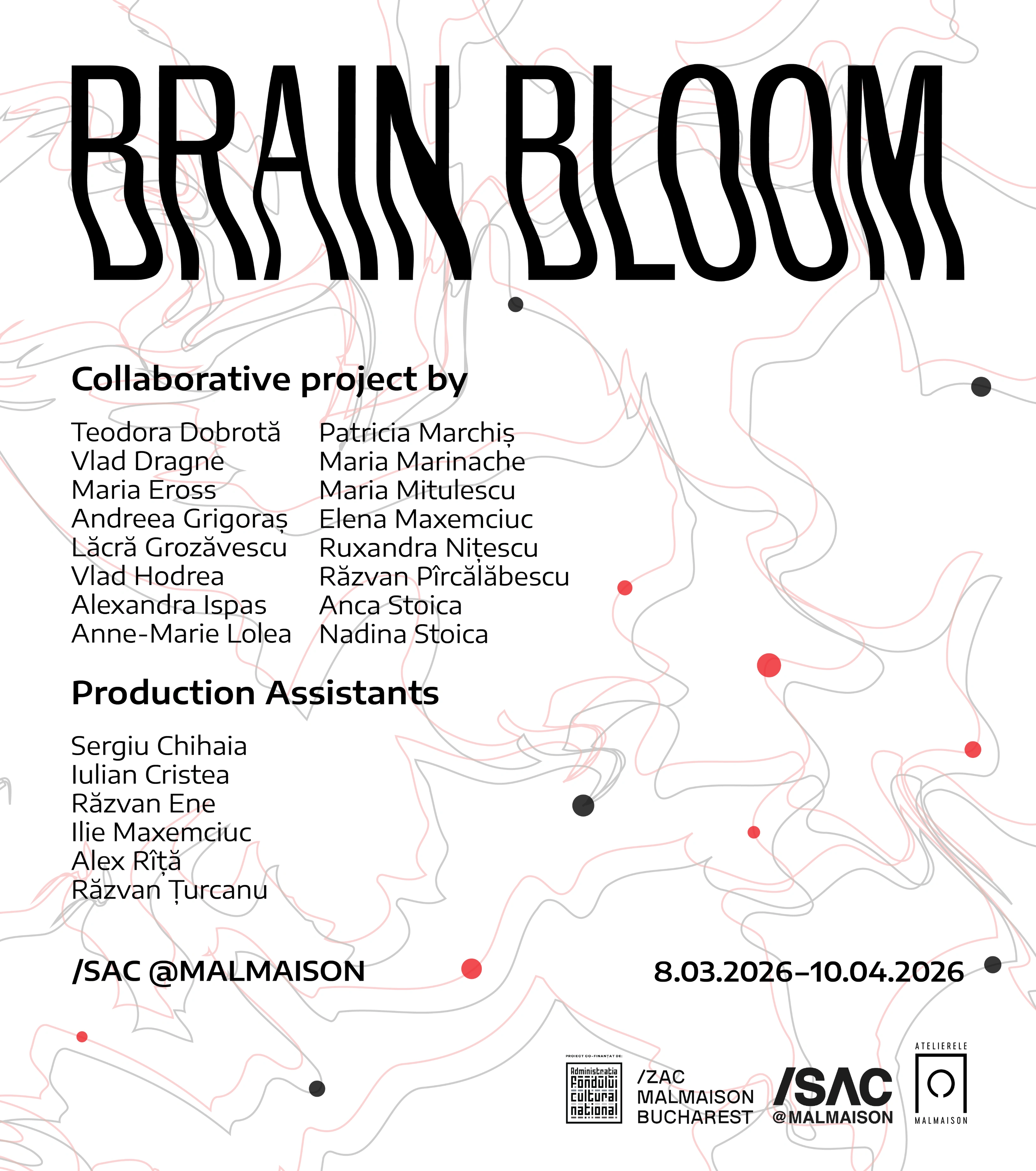
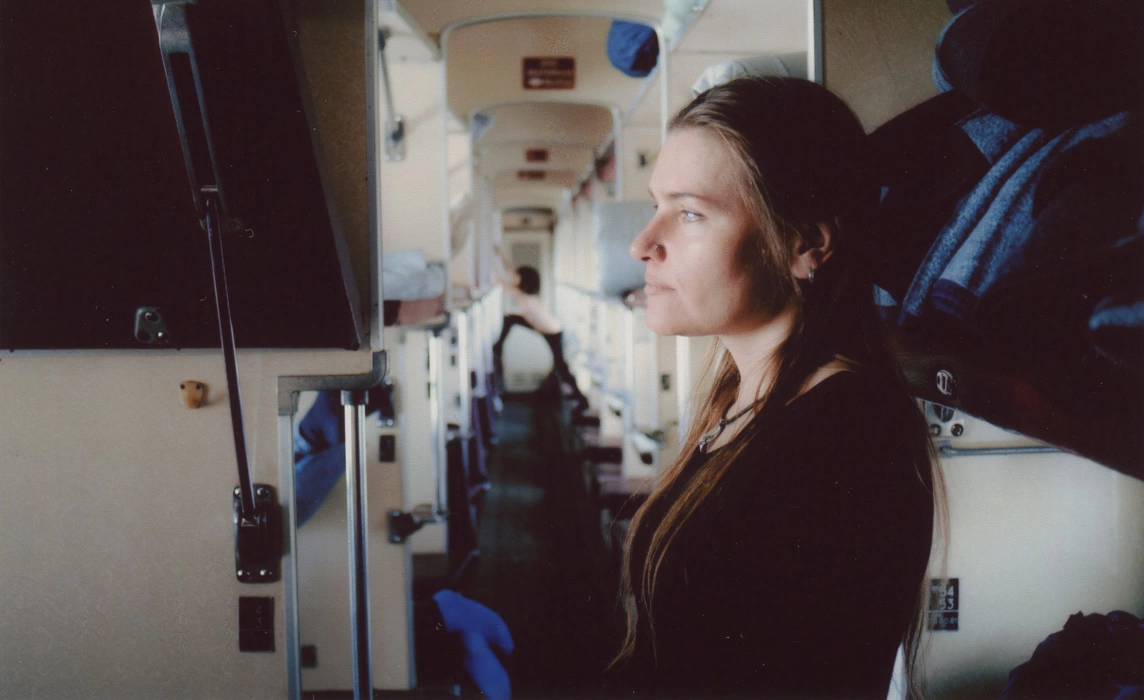
Put together by 16 Gen Z artists from Romania, with the support of eight more experienced mentors, the contemporary art exhibition Brain Bloom (March 8, 2026 – April 10, 2026, Atelierele Malmaison, Bucharest) invites visitors to explore how identity is rewritten when memory transcends corporeal boundaries.
I spoke with eight exhibiting female artists, as well as with some of the Gen X & Y mentors from the /ZAC residency at Malmaison Bucharest, within the context of which the exhibition was conceived. I asked both groups about the challenges artists face today, as well as what similarities and differences lie between our generations.
***
The Brain Bloom exhibition emerged from a process in which 16 Gen Z artists – myself included – sat with a few things that didn't quite fit together.
We debated everything from trauma to belonging within communities, and found ourselves unanimously preoccupied with the same thing: the current oversaturation of information, the fact that there simply isn't enough time to process everything we take in. We drew parallels between device-augmented memory and natural memory – the latter being something we access less and less by the day. And we noticed that both operate under the same rule: both are fragile, and both can deteriorate or disappear without any warning.
The same 16 artists then spent several months in practical and theoretical workshops led by mentors from the contemporary art world, as part of the /ZAC mentorship program at Malmaison, organized by /SAC (Spațiul de Artă Contemporană). We talked about artivism and ecological consciousness with Irina Botea Bucan; moved our bodies to better connect with ourselves and each other with Ioana Marchidan; did voice work and recorded possible sound installations with Maria Balabaș – and with the other mentors mapping out the local and international art context for us, we scraped together whatever brain cells remained to do something with all of it.
The result was a space where we brought a more-than-human organism to life. Eleven works playing across media – mixed media installations combining painting and embroidery, diptych collages, sculpture, video installations, found footage, analog photography, and sound – our generation wanted to put a conversation front and center. In this space, Gen Z sits and ferments, brushing the last neurons left after all the noise and slop we live inside.
We wrote. We produced. We showed up. Contrary to what people expect of our generation.
We're told we have brain rot. That we're distracted, detached from reality. But almost no one talks openly about how deliberately this entire system was built. It gets uncomfortable when we refuse to name names – namely, the colonizers of the internet – for what they are. Social media addiction didn't emerge from "the weak willpower of today's youth," yet the blame keeps landing on the victims. Let's be honest: who here can actually afford the LUXURY of not being on social media?
We, Gen Z, grew up online. Older generations were "within reach of the world wide web." Now it's no longer just a place. We are now as inside the internet as humanly possible. Fully, wholeheartedly. This is the new default.
(Are we damned to live our lives in this multi-hell-fuck-of-a-life, forever?)
We are on forever, even when we're doing nothing. Maybe especially then. It's entirely plausible to spend a day off at the same anxiety level a WWI soldier.
Beyond social media, work is one of the most socially accepted forms of addiction. It looks good on paper, gets social validation; but for my generation it becomes increasingly clear how easily it can tip into something unhealthy. A well-internalized form of self-exploitation. Nobody has to push you anymore. You do it yourself, because it feels like the only option. So you end up giving 200%. And that pace doesn't arrive all at once: it builds slowly, with each decision, and before you know it, it's the new normal. If you're not wrecked by the end of the day, it almost feels like you didn't do enough. And so the line between proactivity and burnout fades.
But this isn't a text about young people as society's victims. I'd rather look at what's actually going on inside our heads as Gen Z artists. And what we do with it, and to ourselves. Maybe that's precisely where the need to turn all this noise into something tangible comes from.
So I spoke with some of the Gen Z artists in Brain Bloom. About exhaustion, about the less glamorous parts that never make it into the portfolio, and about what keeps them going. How do they stay motivated when everything around them seems to be falling apart? I also spoke with the program's mentors about how they were at our age, what it was like to work with artists from the algorithm generation, and what shifted in Romanian contemporary art.
None of what's above – or below – would have existed without these people:
Artists: Maria Eross / Vlad Dragne / Andreea Grigoraș / Lăcră Grozăvescu / Vlad Hodrea / Anne Lolea / Patricia Marchiș / Elena Maxemciuc / Maria Mitulescu / Ruxandra Nițescu / Răzvan Pîrcălăbescu / Anca Stoica / Nadina Stoica
Mentors: Maria Balabaș / Justin Baroncea / Irina Botea Bucan / Nicolae Comănescu /Dumitru Gorzo / Ioana Marchidan / Rucsandra Pop / Alex Radu
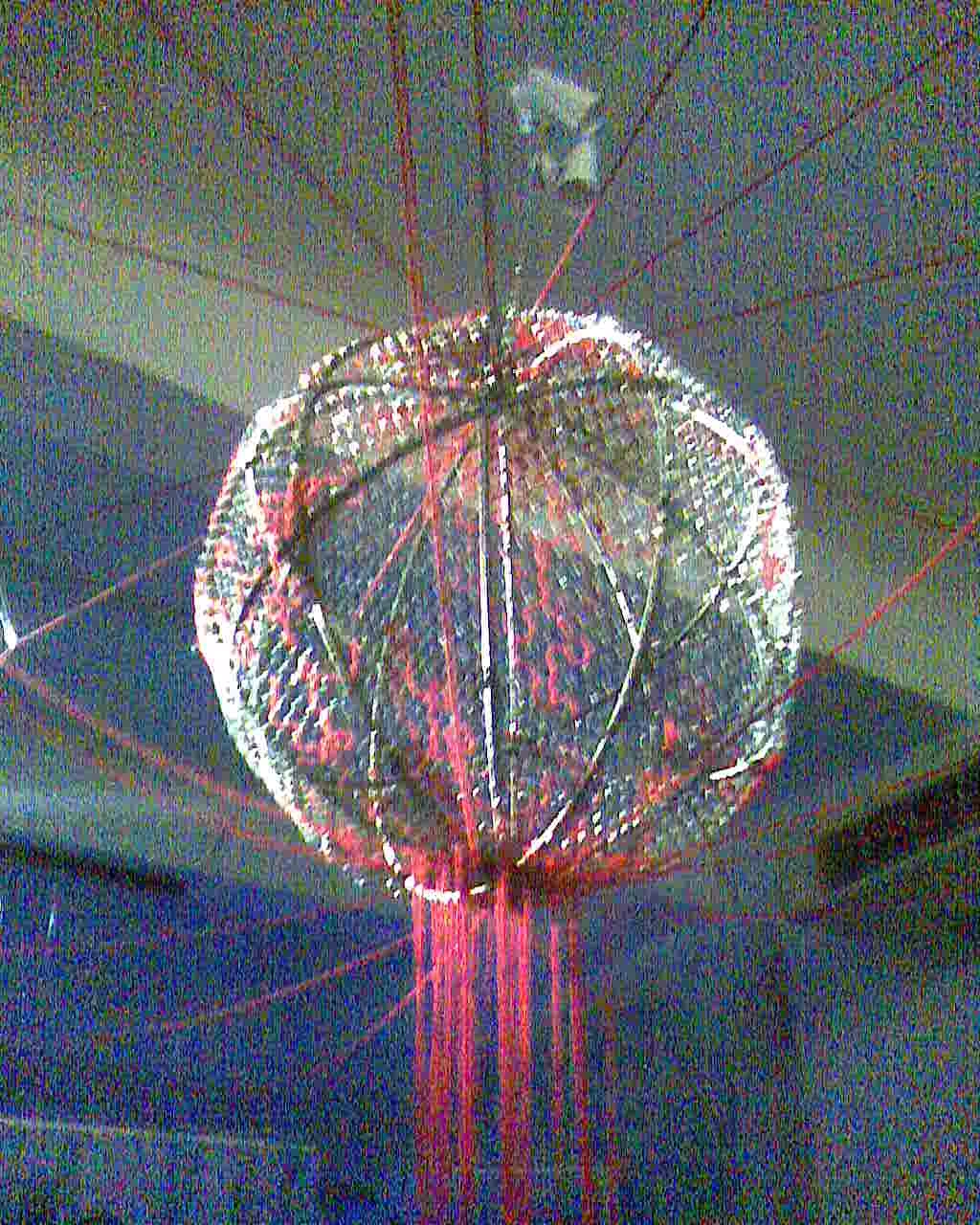
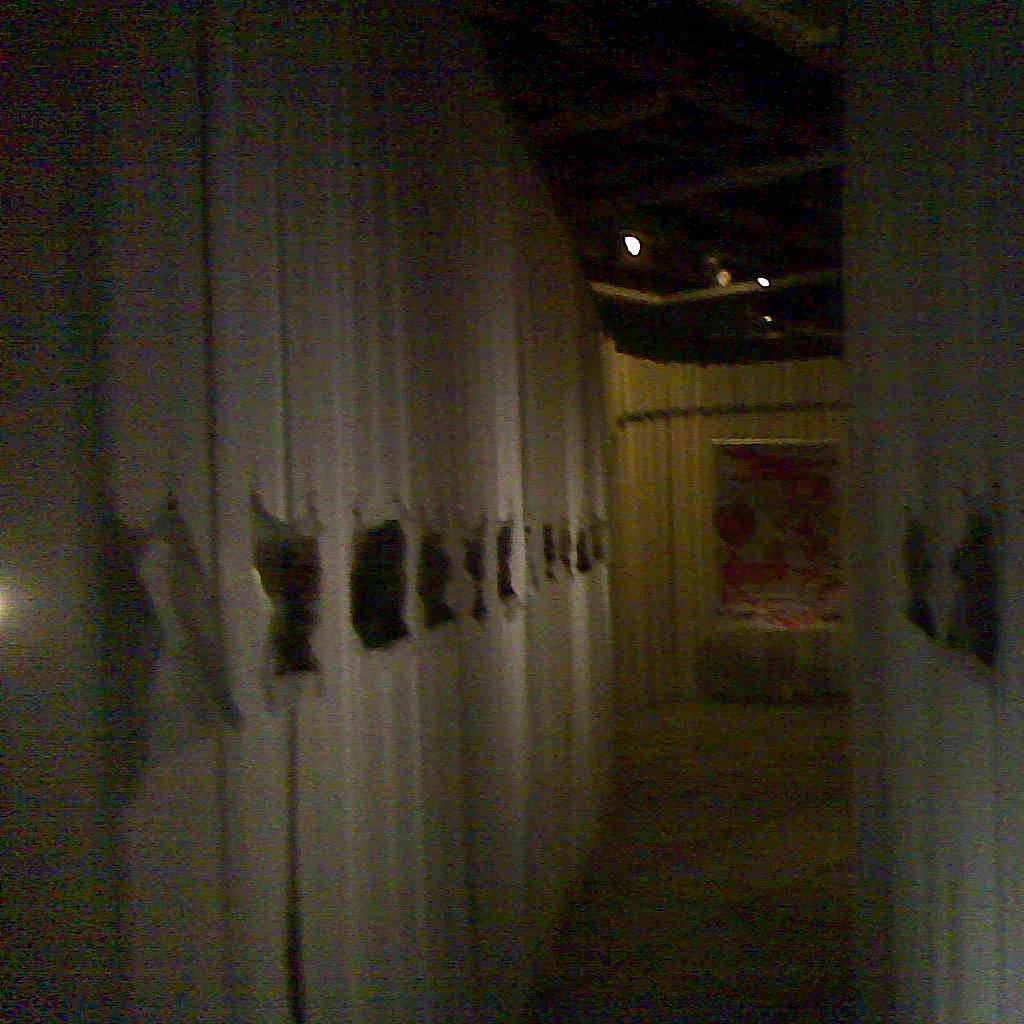
Note #1: The dreamy low-res photos throughout this article were taken right before the exhibition opening by Vlad Dragne, visual artist and /ZAC trainee on a Nokia 2720 Fold. He told me the phone reminds him of the ones used by secret agents in Club Penguin (a deeply nostalgic reference for any Gen Z) and that he used it all the way through middle school before switching to a smartphone. He's drawn to the nostalgic aesthetic of non-smart phone photography (early smartphone models are fetching serious money at auctions) and mentions he still has Christmas cards from 2012 on his.
Note #2: Responses from the artists and mentors have been lightly edited for length and clarity.
Explore works from the Brain Bloom exhibition in photographs by Elena Maxemciuc, artist and /ZAC participant:
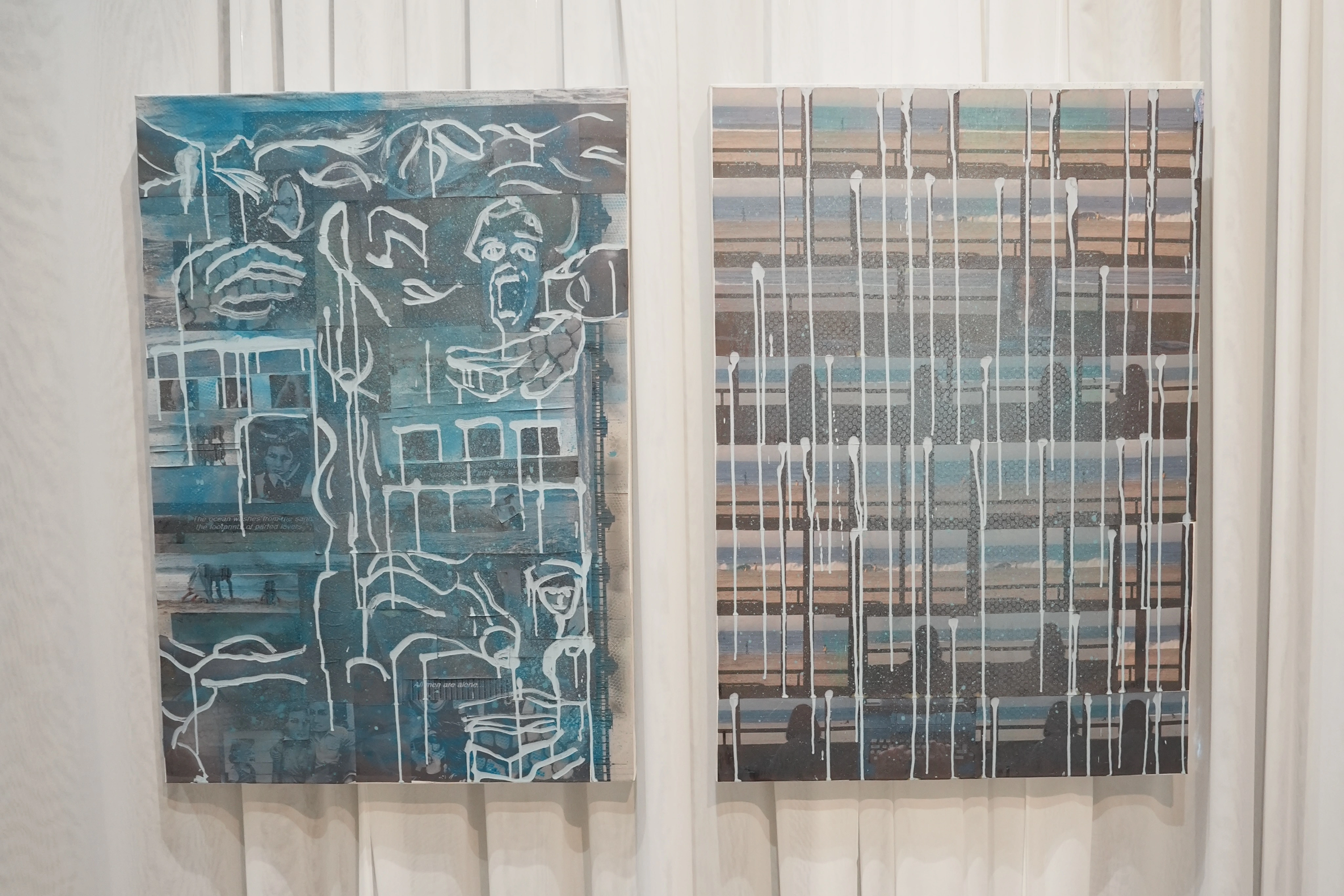
Nadina Stoica, visual artist:
"I don't know if I keep going because I'm too stubborn to quit, or because what I do is what gives my life meaning. I feel like 2025 brought me to a point of oversaturation I'm still recovering from. I took a few months off where I didn't create anything – I just enjoyed other people's art instead. I think my works for /ZAC are also a product of that oversaturation, of a transition I'm currently in. And honestly, nothing I've made has consumed me more throughout the process.
Success, in our culture and beyond, seems to be built almost entirely on material things: how much money you make, what you own, what you show off, and on the image of an ideal relationship or family. I'm approaching 30, I don’t own property so I rent, I don't have a car, no kids, not married, I might work too much to live decently – and yet I consider myself someone on the rise."
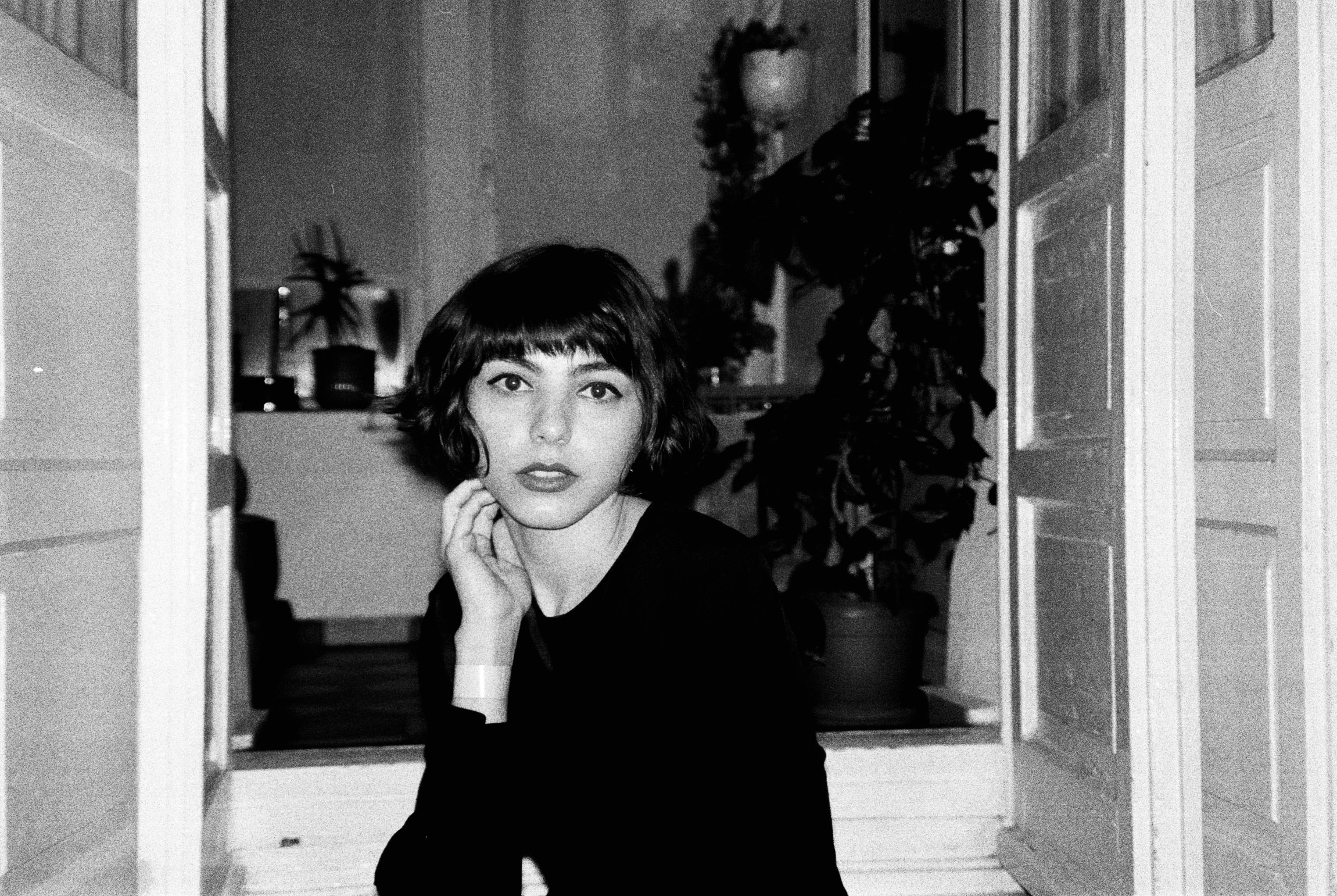
Lăcră Grozăvescu, visual artist:
"Being a young, independent artist is like trying to keep the light burning in a wind that never stops. Every day you do something different to keep it from going out. You create, but you also send emails. You dream, but you also fill out forms. You're your own manager, your own technician, your own PR. Sometimes, your own audience. Today you're an artist. Tomorrow you're an accountant. The day after, you're the one carrying chairs. And somehow, all of that is part of the art. Because art isn't just what you see. It's everything you don't. Everything you do just to keep going.
There's something else, too: history. The kind you inherited without asking for it. Gen Z feels the need to take it apart, turn it over, figure out what's actually ours and what's just passed down. Reinterpreting history isn't a radical act – it's an act of care. Like airing out a room you haven't entered in years. You clear the dust, let the light in, see what's still useful and what needs to be left behind. For a young artist, that's essential. You can't build anything honest if you don't know which story you're repeating without meaning to.
So we work. We move slowly, but carefully. We play many roles, but we try to stay whole. And every now and then, when everything aligns, the match actually stays lit."
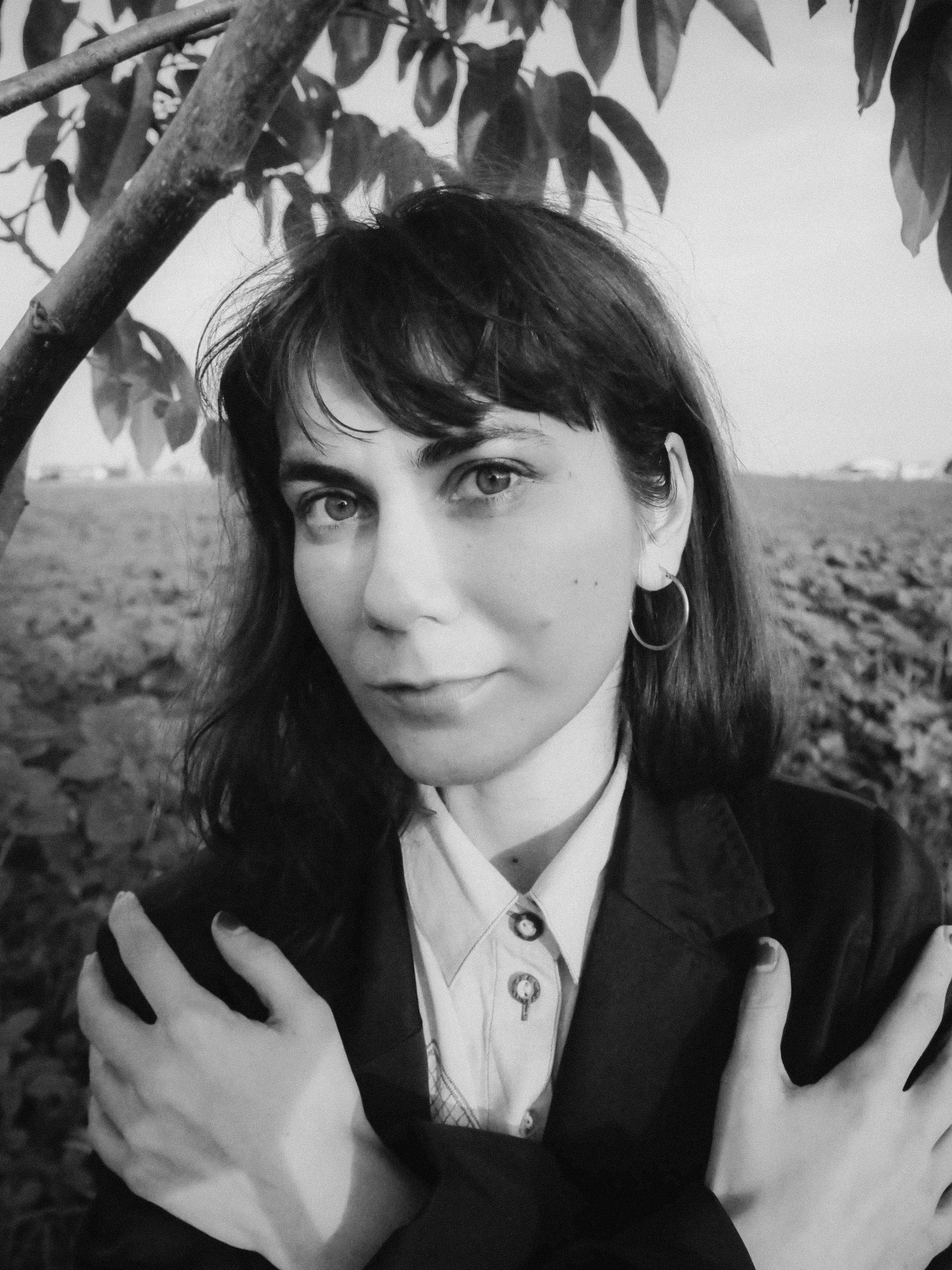
Anca Stoica, performer:
“I’m very connected to working with the body. The economic and legislative realities we face as young cultural workers make things hard; it affects the way we live in a very direct way. There's clearly no real legal framework of any kind, and the economic context is pretty precarious for everyone. We're all doing far more than just making art, and that drains all of us.”
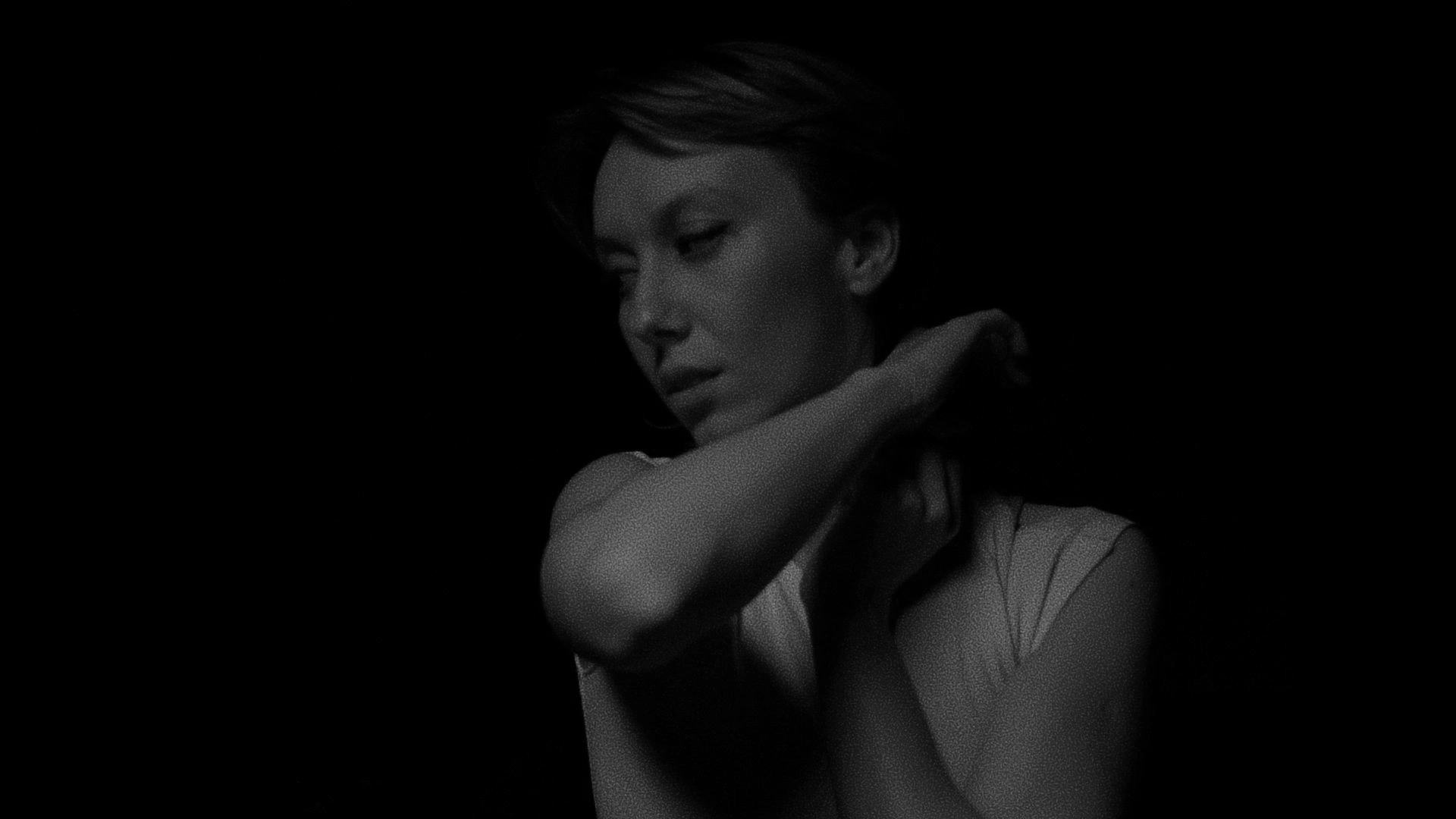
Ruxandra Nițescu, visual artist:
“One of the most exhausting questions I keep hearing is ‘How can you be a full-time artist and also have a job?" Artistic practice never stops. It seeps into everyday life, into interactions, routines, experiences. Being an artist isn't a temporary role; it's the way you see and process the world.
The current landscape is marked by limited, unstable funding, and the pressure of constant visibility adds an invisible layer of labor on top of everything else. In that context, having a job doesn't contradict the practice. It supports it, offering stability and autonomy.
Living solely from art remains an ideal, of course. But it's just as important to allow ourselves experiences beyond our own bubble. They don't dilute the practice; they deepen it, offering a more nuanced understanding of the world. Art will never develop in isolation.”
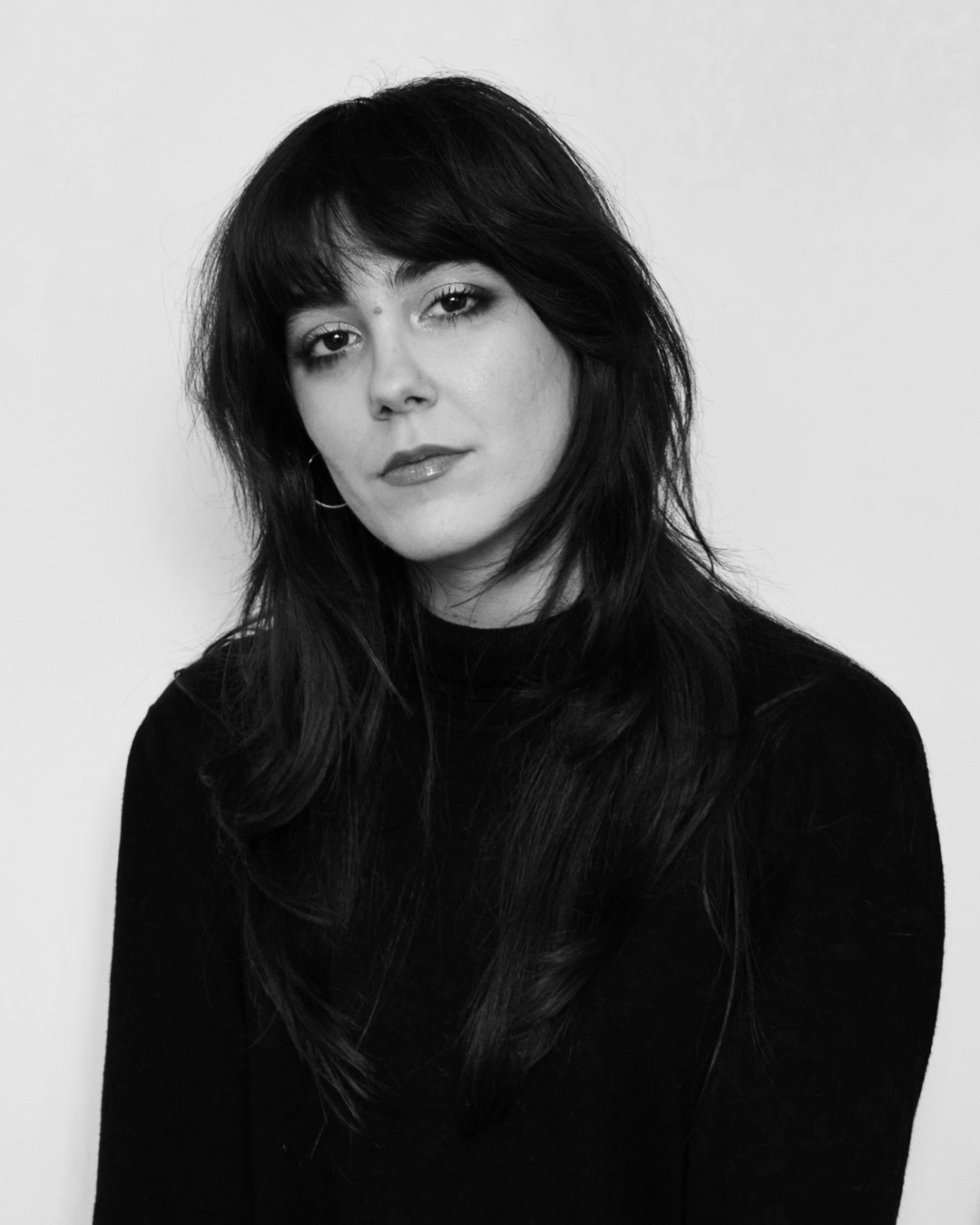
Maria Mitulescu, film director:
“What I discovered in these workshops is that we all agree we carry this weight of ‘the digital.’ In a way, that's also what we tried to describe through our work – how we grow up with these things, and how they become part of us.
We're the generation caught somewhere in the middle. And it matters to me to integrate that into what I make; I try as much as possible to have my work and what I consume online feed into each other. I know a lot of people do this, but I also feel like I let the way I work be heavily shaped by that constant flow of information.
It's important to me to know that my peers and everyone in my generation are using that weight in a way that's cool and self-aware. That we're building resistance to it through the way we digest it and regurgitate it back out in different forms.”
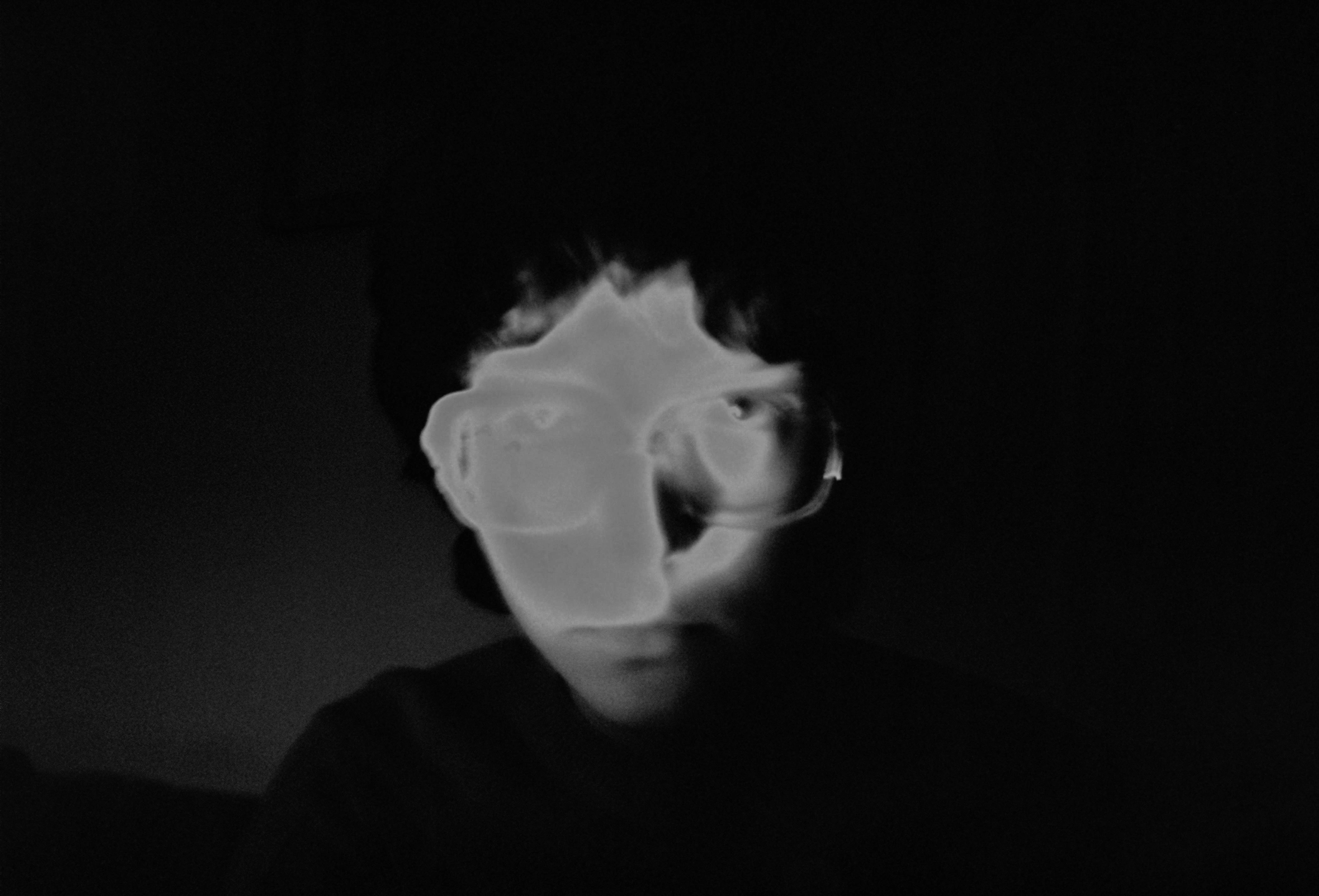
Maria Erӧss, visual artist:
"The hidden side of life as a young artist is the enormous effort that goes into building a portfolio and producing 'perfect' work, on top of all the expectations people project onto our generation. Nobody sees the wasted pages and hours spent trying to find your identity in art.
What drains me is the constant search for a decent job, one where I'm treated with respect and understanding. One that doesn't burn me out. There's this cult of giving your all when you work, even though nobody's going to build you a statue for it. I watched my parents work themselves into unhappiness for years, and I don't want to make the same mistake. The idea that you have to suffer because you don't conform to today's definition of a career is not healthy. And society keeps proving that art is not considered an essential need."
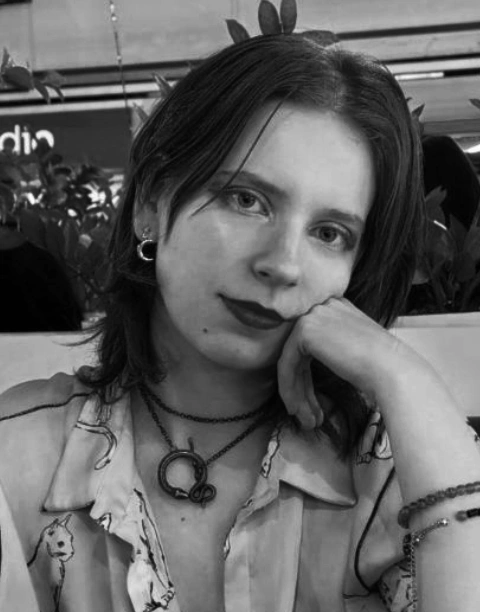
Alexandra Ispas, threatre director:
"What exhausts me most is the constant state of uncertainty, both financial and institutional, that we're living in right now. Especially in culture and education. As I get closer to finishing my studies [editor's note: Alexandra is in her fourth year of a Theater Director's BA at the National University of Theatre and Cinematography in Bucharest], I'm increasingly aware of how few spaces exist for young people to express themselves together and build working teams. What gets promoted instead is an unhealthy competition that kills creativity.
As a young theatre director, I've often reached a point mid-project where it stopped feeling worth continuing. It's a recurring feeling: this enormous gap between the work you put in and the opportunities available to you. Most of the time, what keeps me going are the teams around me and the desire I see in my peers to actually change something in the theatrical and artistic ecosystem in Romania right now."
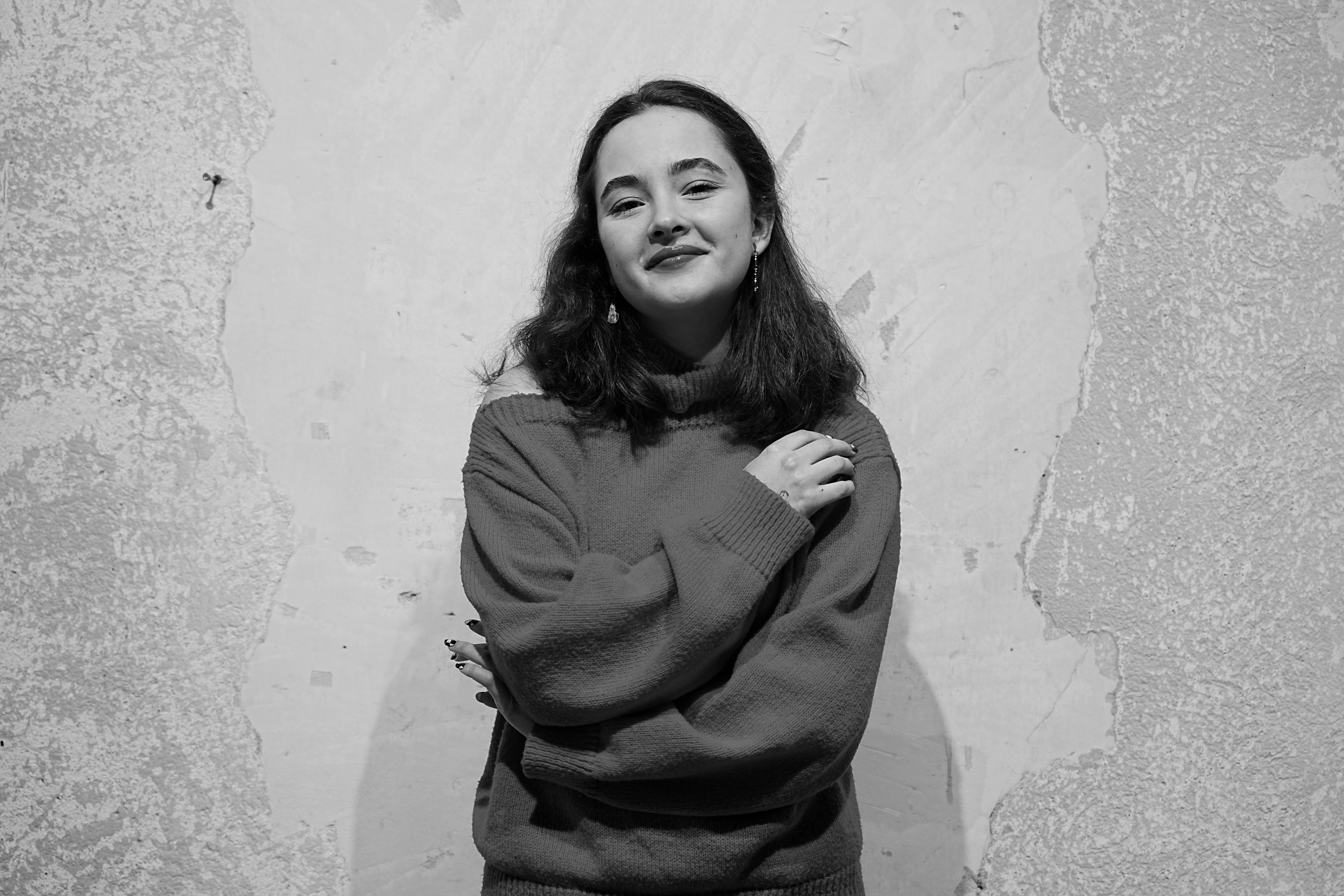
Elena Maxemciuc, visual artist:
“For me, art has always felt natural, but it becomes increasingly clear how much access to basic information is missing. Things that could simplify an artist's path: understanding the market, figuring out how to build something sustainable. Without that, you learn everything on the fly, through constant effort. At the same time, artistic work is often perceived as easy, with little genuine curiosity about the process or what it actually took to get where you are.
So the artist's role ends up going far beyond being a creator. It becomes a continuous effort of explaining and advocating for your own practice, shifting between mediator, curator, teacher, and your own PR.
I'm not saying it's bad to know a lot or to be useful. But there's a real risk that, over time, the artist ends up being more of an instrument than an author.”
***
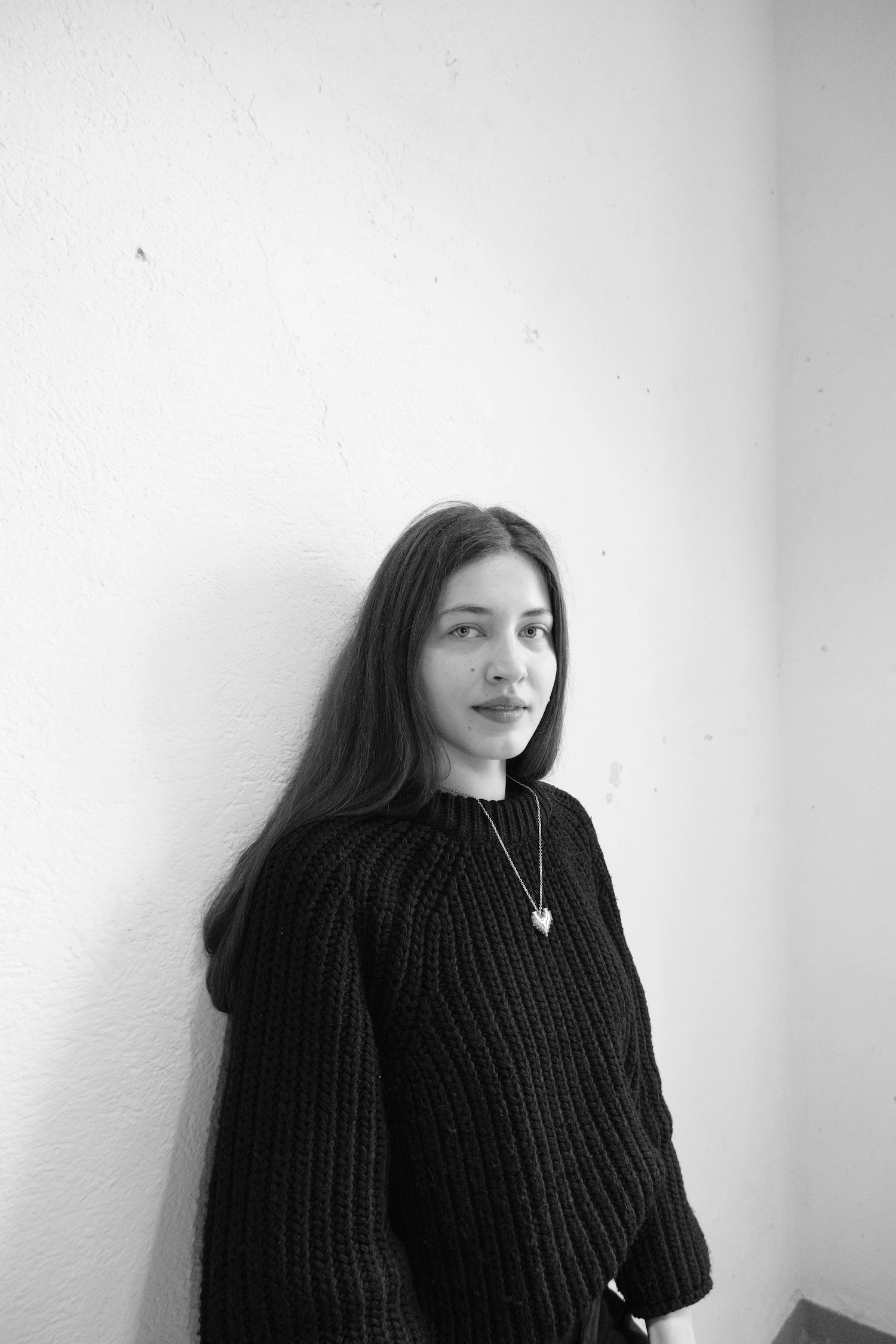
To get out of my own generational bubble, I also spoke with some of the /ZAC mentors about what things were like when they were our age vs. how they look now. Even though they come from different generations (Gen X / the 'Decree generation' and millennials), they work in the same unstable environment, with the same tensions.
What would you have wanted to know at their age that nobody told you?
"To be satisfied with each moment, each stage, each work, each exhibition, with what I'm doing, knowing it's just a moment and the best choice I could have made at that point, and that I'll keep changing and that's okay. I figured this out on my own through working, and it wasn't so bad." - Irina Botea Bucan, artist
"I would have wanted to know that what feels impossibly hard at 20 will come naturally at 40. Once you learn the craft, putting into practice the things you dreamed of gets easier. I would have wanted to know that the people around me are what matter most; that I learn from them, grow with them, and that collaboration matters far more than competition. I would have wanted to know more about the artists who came before me and those around me, and to value them more. I would have wanted to be more feminist. I would have wanted someone to tell me that a highly regarded artist who steps on others is worth nothing. I would have wanted to know that people are, and always will be, more important than Art with a capital A." - Rucsandra Pop, artist
"I think your generation faces challenges similar to ours, but also different ones. You seem more decided, as a generation, to make art. At least at this age. There were fewer of us. Out of five musicology graduates, I'm the only one still working in the field in any capacity. But for you, things seem a little different." - Maria Balabaș, radio producer
"That it was important to build (early, and not always alone) my own mechanisms of perception, working methods, and systems of production." - Justin Baroncea, architect
What's easier for a young artist today than it was for you starting out? What's harder?
"At the beginning of the 2000s, when my generation was getting started, nothing existed: no infrastructure, no funding, no residencies, no contemporary art audience. Nothing. There wasn't a single independent gallery in Bucharest, let alone anywhere else (in Romania). We had to build everything from scratch, invent our own opportunities. It was hard, but also exciting. Nothing compares to the feeling that the world is opening up in front of you and you can do whatever you want. And we did. We gathered in groups, rolled up our sleeves, and got to work. Our generation took art very personally. We claimed this deeply depressing city piece by piece. Made art to be able to love it, and to be able to love ourselves. And, most importantly, we never lost our sense of humor. Art grew under our skin, on walls, in sordid basements where we never imagined we might end up, in cramped apartment blocks. It was our way of surviving, of filling the city with something it was missing. We wanted to make our own Berlin. And I think we did.
If I were a patron or a state institution supporting art, I'd inject free money into the ecosystem; funding that isn't grotesquely bureaucratic. Right now, the human cost of reporting on a grant is equal to, if not greater than, the actual artistic labor on a project. Enormous energy gets lost to bureaucracy, and the people who want to siphon funds do it anyway – and with style. A trust-based funding system would bring enormous gains for artists, for audiences, and, remarkably, even for the state itself. The artistic community has spent years working with communities the state turns its back on. There are thousands of artists, researchers, cultural mediators and educators, architects, and others working at the grassroots, saving buildings that would otherwise collapse, helping people rediscover and love their past, imagining better futures for their towns and villages. All of them, weighed down by bureaucracy, refuse to quit." – Rucsandra Pop
***
What becomes very clear from the responses of both peers and mentors is that there's no stable way of being an artist right now. Not for those just starting out, and not for those who've been in the field for decades. Their voices together form an incomplete map. The difference between generations has less to do with the context, which is equally unstable for everyone, and more to do with how each of us navigates it. The mentors have built structures over time; we work around them, or at different speeds.
Maybe we don't need to 'fix' the system today, right now. But the long-term goal of my generation will probably be to make it a little more open to collaboration. Less bureaucratic. A scene, a space where you don't have to constantly prove you deserve to be there. One with more attention to the people in it, not just the output.
For me, working on Brain Bloom was largely about learning how to build something together without having all the answers in advance. Even if we'd wanted this exhibition to completely transform the system, what we can do right now is question the institutions that make this algorithmic hellhole possible and profitable.
It's time to work with what we have. To understand the environment we live in and reconfigure it.
We're still figuring it out. This is part of the process.