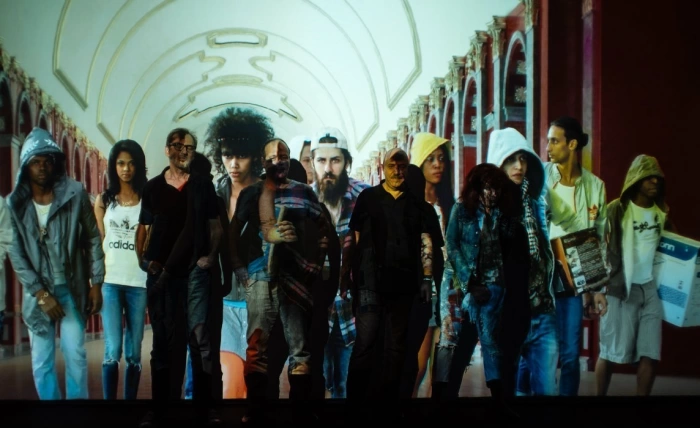
English, please / Arte vizuale
“In the Beginning There Wasn’t the Word. But the Image.”
Adi Bulboacă, Andra Matzal
Four Russian artists are turning the world on its head inside a dark Bucharest room
Four Russian artists are turning the world on its head inside a dark Bucharest room
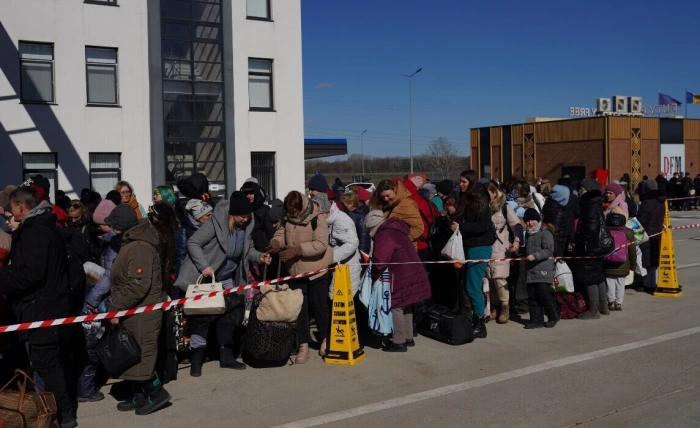
We went to the Palanca border and to Chișinău, in order to write about both the people who managed to escape the bullets and those who are receiving them.
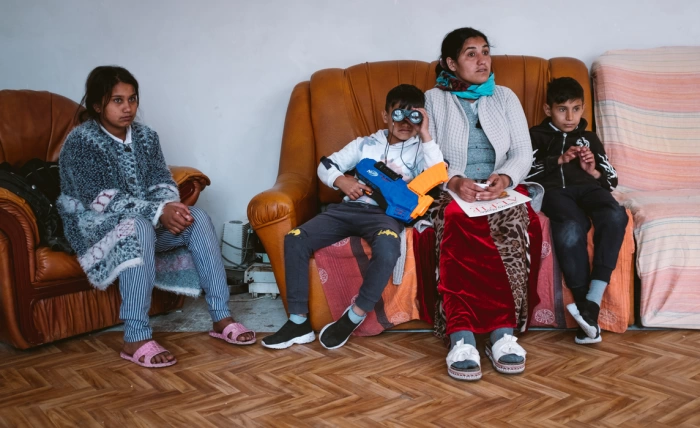
After clashes between the police and a few inhabitants of the Rahova neighborhood in Bucharest, law enforcement agents are facing accusations of having abused several people in the area, including a mother and one of her children.
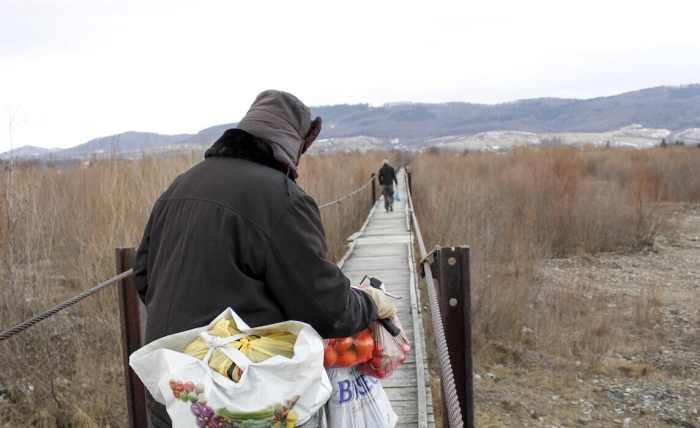
We set out through the villages lining the border, in order to see what the locals have to say about the Russian-Ukrainian crisis and to meet the Ukrainian Hutsuls in the mountainous regions of Bukovina.
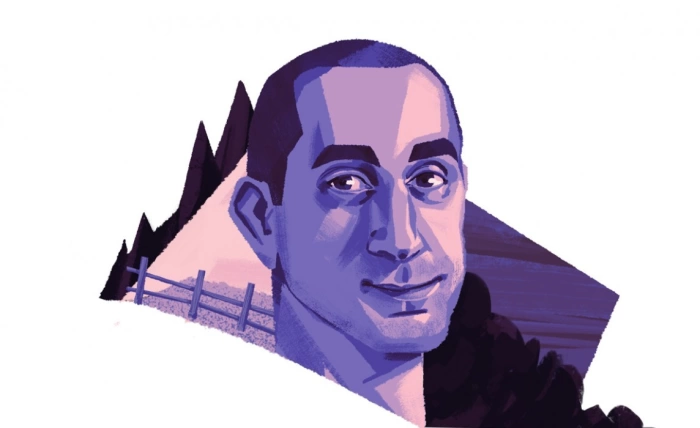
Journalist Jon Mooallem feels strongly about: Elton John, a marijuana cream, and a book on hijacking.
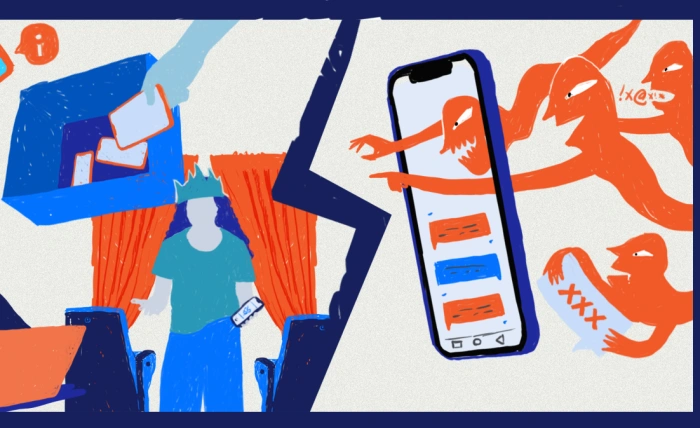
Media literacy classes for teachers and parents in Romania, participatory theatre in Spain, hotlines and cyber police in Ukraine – these are just some of the solutions organisations and institutions are using against the ever evolving forms of violence children and teenagers face more and more often in their digital lives.
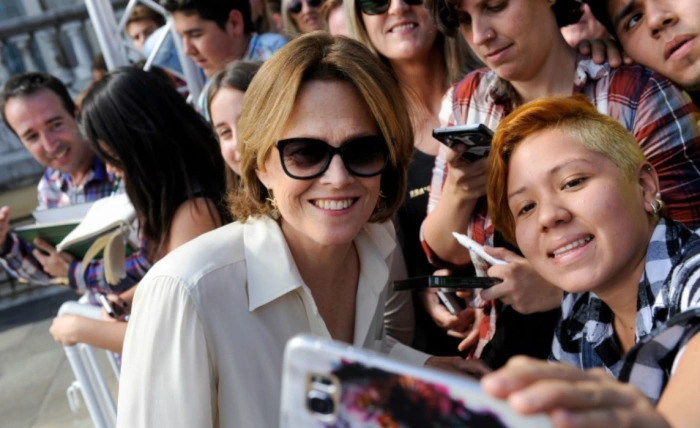
Day 1 for Scena9 at the San Sebastian Film Festival: running on borrowed time, for films about youth.
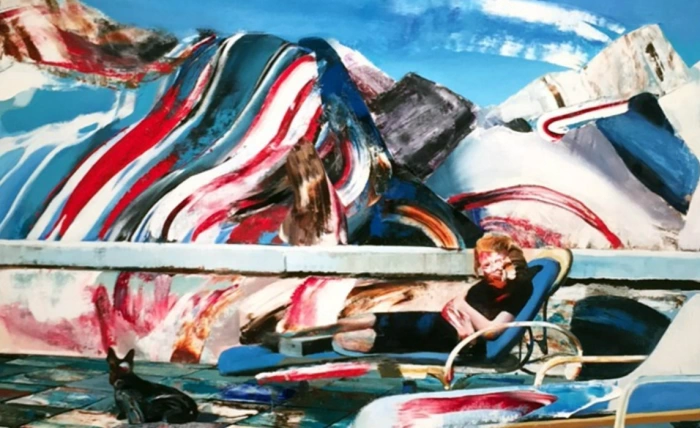
I went to Pace Gallery, to see the first solo exhibition of the Romanian painter in the past four years in New York.
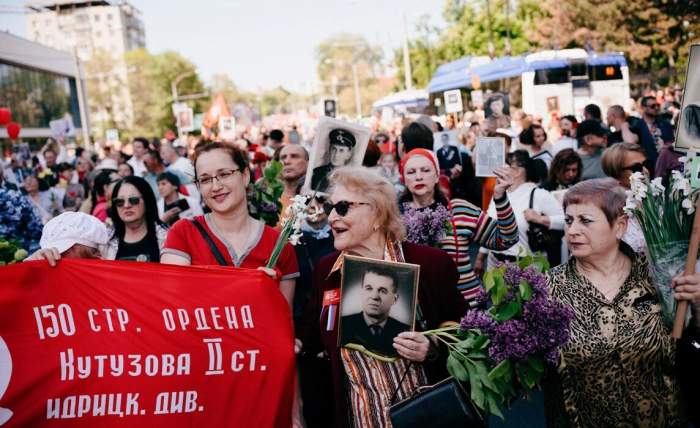
Photograher Mikhail Kalarashan documented Victory Day, the 9th of May, in Chișinau. Less than 200 kilometres away, air-raid sirens are heard everyday.
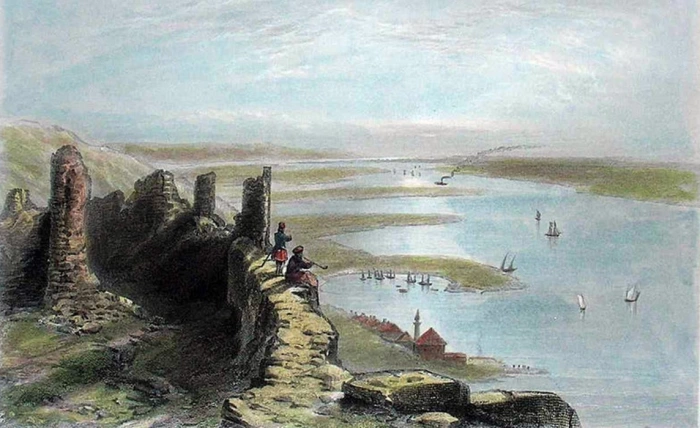
How to understand better the situation of the women in Romania nowadays from a book about the history of Wallachia written two centuries ago
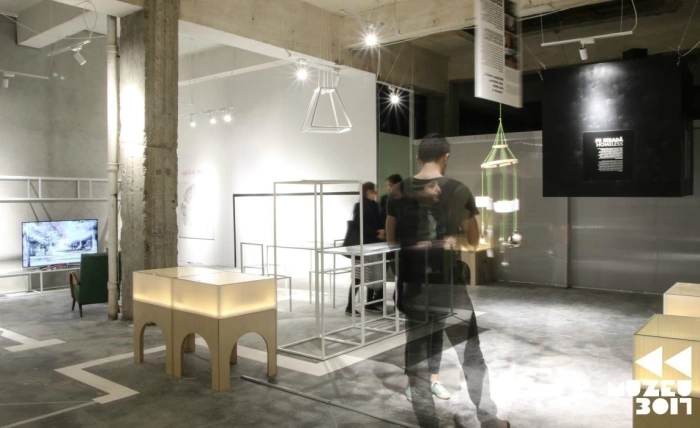
In the year 2017, 40 years after the Great Digital Quake and eight centuries after abolishing borders, a exhibition on Earth illustrates how people used to live in Bucharest a full millennium ago.
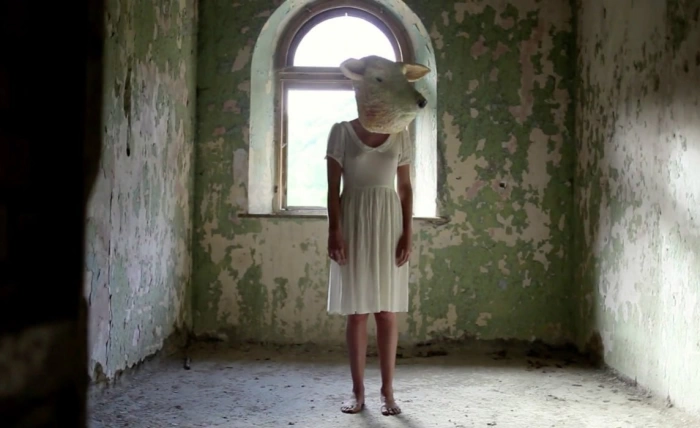
The eye of the foreigner, used to seeing freshness where all you see is oozing and destitution, has already crept into several corners of Romania.
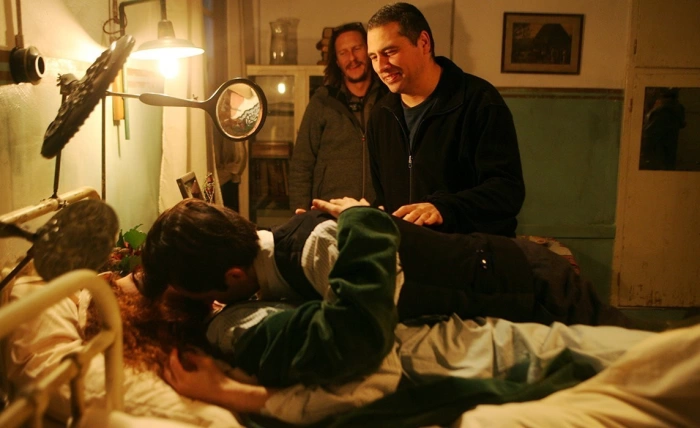
We go behind the scenes of the new movie directed by Radu Jude trough Silviu Gheţie photos.
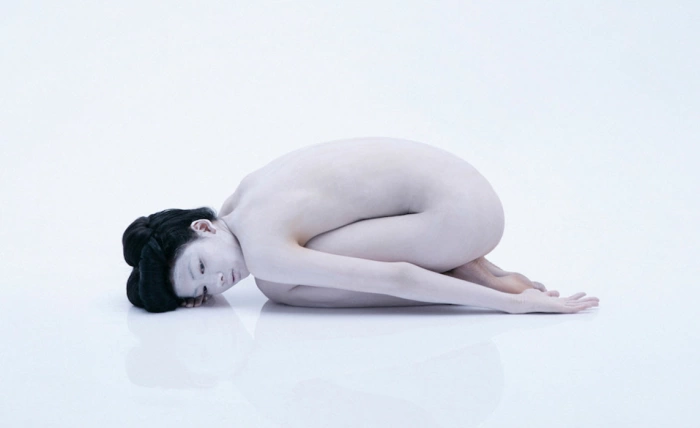
For about 15 years, Kasia and David have been building stories in which the viewer becomes an actor and is able to push the script further, as in a video game.
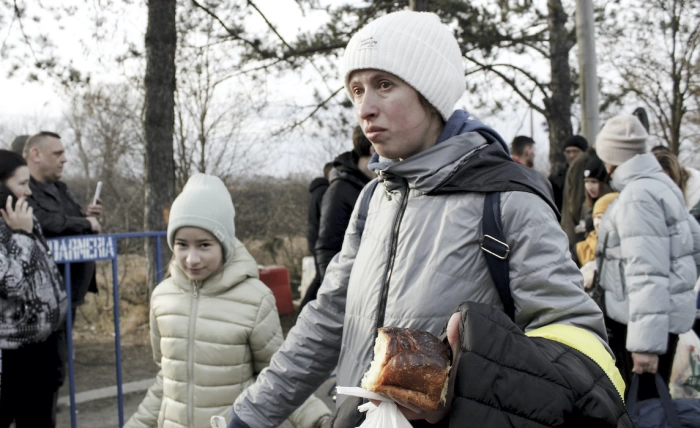
“You cannot imagine what it’s like on the other side,” says Lili, a Ukrainian woman who entered Romania on foot with her son.

During art week on the island of Hydra, amidst mules, freddo espresso and art collectors with astronomical budgets, Andrei Ursuța’s sculptures installed the apocalypse in the space where animals once awaited sacrifice — a slaughterhouse overlooking the Aegean Sea.
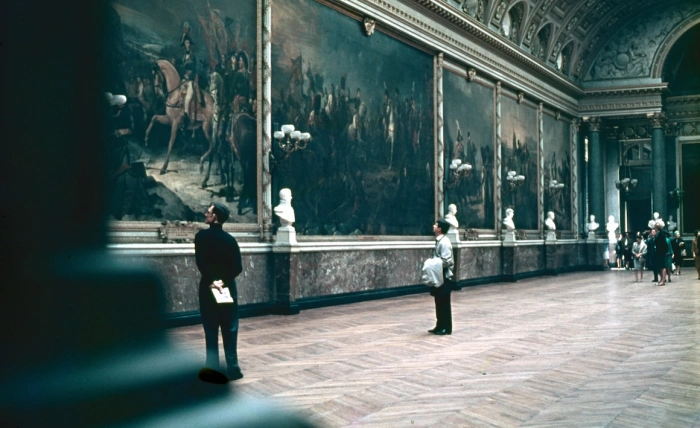
Change the directors, cut the funding, rewrite the narrative: from Washington to Warsaw, mnemonic warriors are deploying the same techniques to weaponize history. How museums have become key arenas in the culture wars.
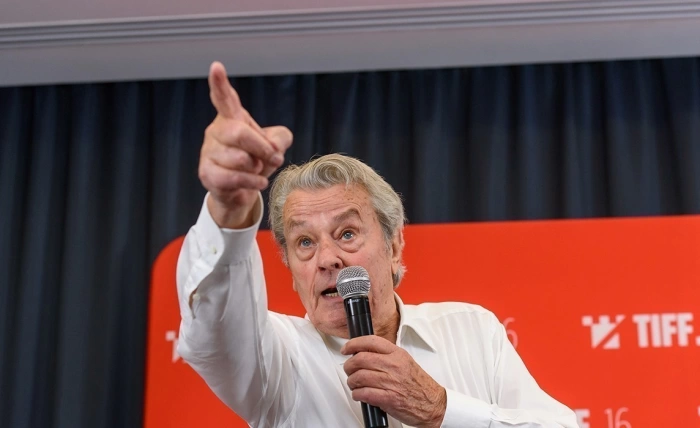
The TIFF guest of honor doesn't smile too often - and he doesn't need to either.
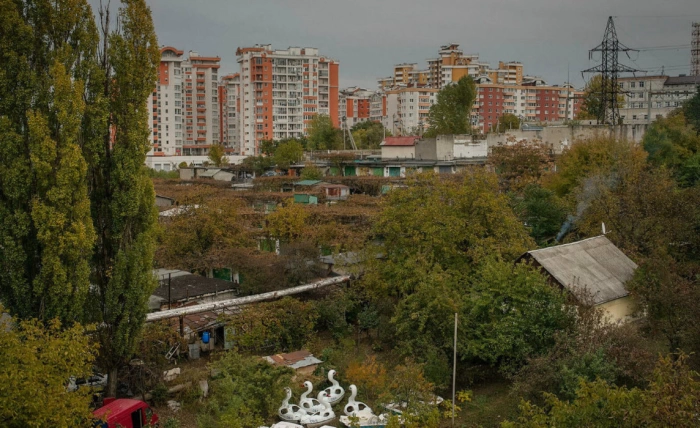
How, where and with what justification could Russia launch an attack?
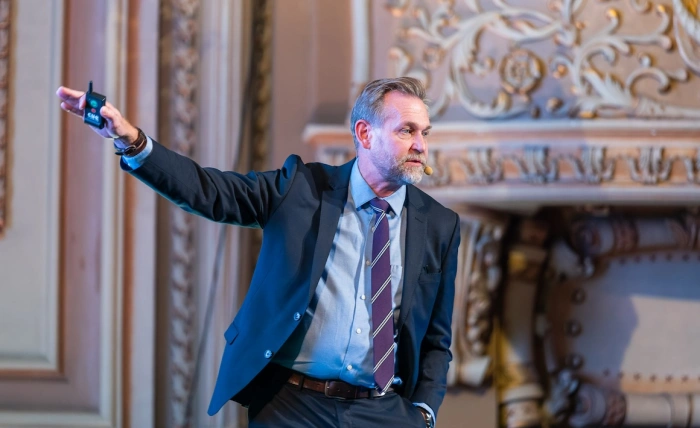
Håkan Tropp, an expert in water-related policies, talks about the diplomatic role of water in times of peace or war, why we don't value it as a resource, and how we can mediate the risks associated with its disappearance.
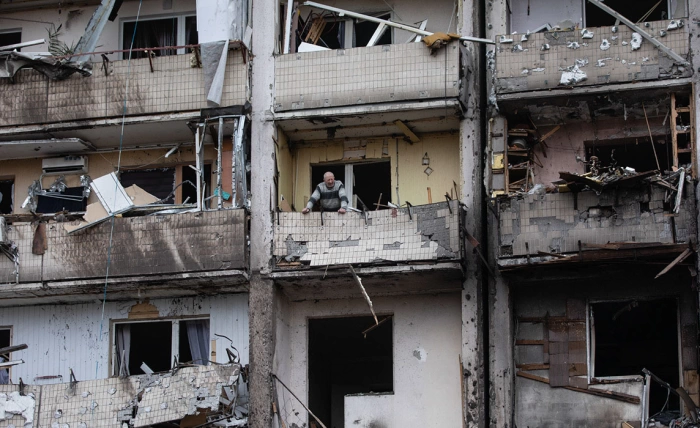
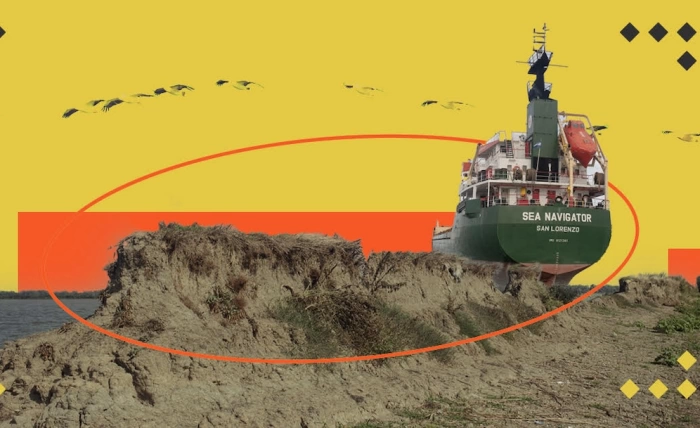
After the full-scale Russian invasion of Ukraine, the Danube Delta habitat became threatened by the war and the increased naval traffic it brought to the region. This is the story of that impact, but also of the solutions that people on both the Ukrainian and Romanian sides of the Delta are working on to protect this area.
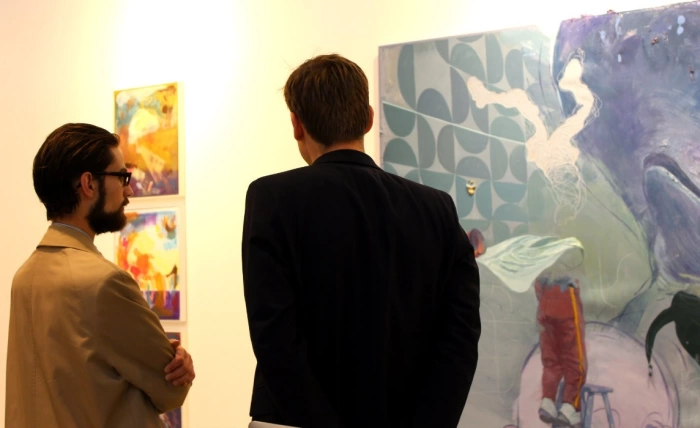
I went to the largest art fair is Central and Eastern Europe, to see what is keeping the contemporary scene alive.
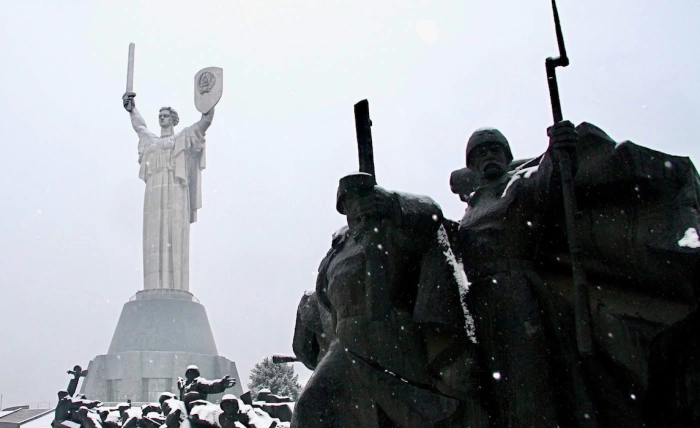
Ukraine’s capital is a memorial not only to the sacrifice of the oppressed against greater odds, but also to willpower, dynamism and revival.